How to Write a Resume With No Experience (and Still Get Interviews)
Learn how to write a resume with no experience: what to include, how to present school and volunteer work, and a sample resume for your first job.
 JobzseekerAI Team9 min read
You open a resume template, type your name and email, and then reach the section labeled "Work Experience." That's usually where the momentum stops. If you've never held a formal job, it can feel like there's nothing to put on the page.
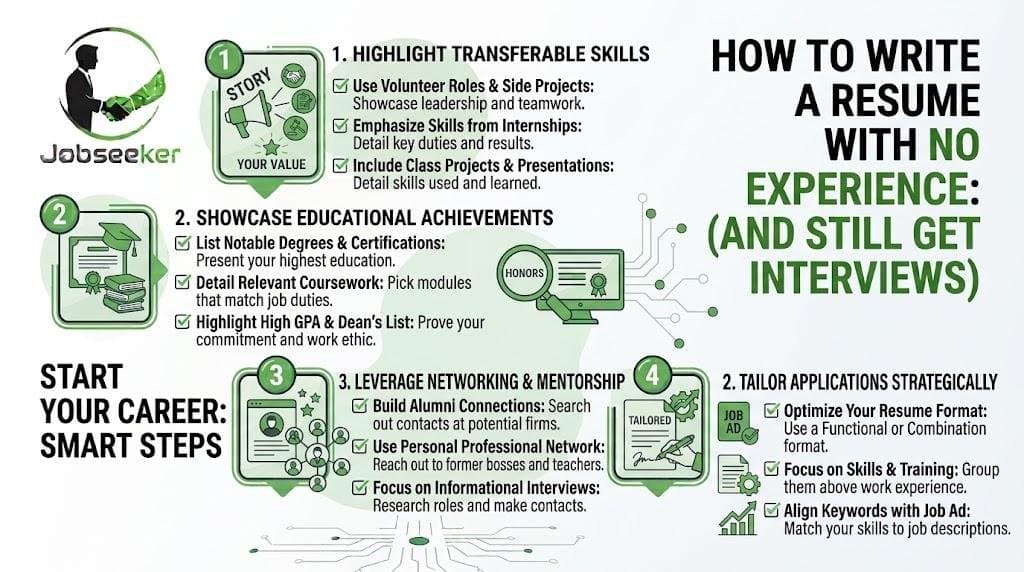
You have more than you think. Employers hiring for entry-level roles know most applicants don't have years of work history. What they want is proof that you're dependable, that you learn quickly, and that you've handled responsibility somewhere, whether that was a class project, a volunteer shift, or a summer spent babysitting three kids. This guide shows you how to write a resume with no experience, section by section, with examples you can adapt for your own first application.
What Hiring Managers Look for in an Entry-Level Resume
Before you write anything, open the job posting and read it slowly. Most postings separate "requirements" from "preferred qualifications." For entry-level positions, the requirements are often simple: a high school diploma, availability on certain days, comfort working with customers, or familiarity with common software.
Your job is to show evidence for those requirements using the experience you do have. A hiring manager scanning an entry-level resume is usually trying to answer three questions:
- Will this person show up and follow through?
- Can they learn the job without constant supervision?
- Do they already have any of the specific skills this role needs?
Say a grocery store posting asks for customer service skills, cash handling, and weekend availability. If you spent two summers running the concession stand for a youth baseball league, you've handled cash and dealt with impatient customers. That belongs on your resume, phrased so it connects directly to what the store asked for.
Choose a Resume Format for Beginners That Puts Your Strengths First
Most US employers expect a one-page resume from someone early in their career. That works in your favor, because a single page is much easier to fill well.
For a first resume, a combination layout usually works best. It keeps the reverse-chronological order recruiters are used to, but moves your strongest material toward the top. A typical order looks like this:
- 1Contact information
- 2Resume objective or short summary
- 3Education
- 4Relevant experience (paid, unpaid, or informal)
- 5Projects or volunteer work
- 6Skills
If education is your strongest asset, keep it near the top. If you have a solid part-time job or a long-running volunteer role, that can come first instead.
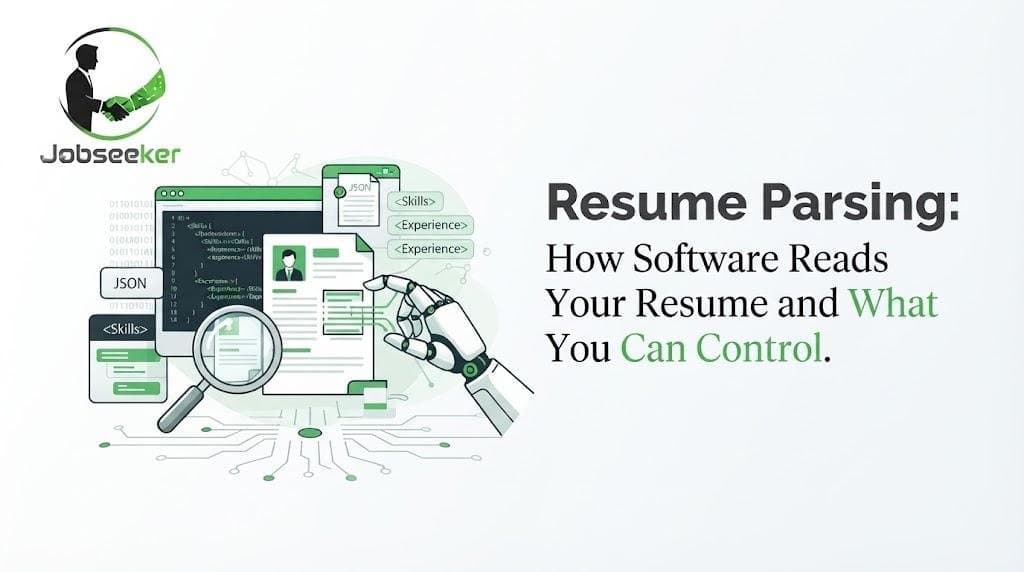
Keep the design simple. Use standard headings like "Education" and "Experience," a readable font, and avoid placing key details inside text boxes, images, or complicated columns. Many companies use software to read resumes before a person ever sees them, and unusual layouts can scramble your information. Our guide on how resume parsing software reads your resume explains which formatting choices tend to cause trouble.
How to Write a Resume With No Experience: Step by Step
1. Make your contact details look professional
Include your full name, city and state, phone number, and a professional email address. If your current email is one you created in middle school, set up a new one using your name. A LinkedIn URL is a good addition if your profile is filled out. You don't need your full street address.
2. Write a resume objective for no experience that says something specific
Resume objectives have a reputation for being outdated, mostly because so many of them are vague. For a first job, though, a two-line objective can quickly explain who you are and what you're aiming for.
Weak:
"Hardworking individual seeking an opportunity to grow with a dynamic company."
Better:
"Reliable high school senior with two years of volunteer experience at a food pantry, seeking a part-time cashier role. Comfortable handling cash, working at a fast pace, and helping customers find what they need."
The second version names the job, offers evidence, and mentions skills the employer actually asked for. Rewrite it for each application.
3. Give your education section real detail
When you don't have much work history, education does more of the heavy lifting.
For a college student resume, include your school, degree, major, and expected graduation date (for example, "Expected May 2027"). You can add relevant coursework, academic honors, and your GPA. Many career advisors suggest listing GPA only when it's 3.0 or higher, but there's no universal rule, so use your judgment.
For a high school student resume, list your school, city, and expected graduation year. Add relevant classes, honor roll, AP courses, or certifications such as CPR or food handler training if they relate to the job.
4. Turn informal work into real experience
This is where most beginners undersell themselves. Experience doesn't need to come with a W-2. Babysitting, tutoring, mowing lawns, helping at a family business, freelancing, delivering for a gig app, or running social media for a local club all count.
Label the section "Experience" or "Relevant Experience," and format these roles like regular jobs: a title, the organization or type of client, dates, and two to four bullet points.
Before:
"Babysat for neighbors."
After:
Babysitter, Private Families, Columbus, OH | June 2024 – Present
• Care for three children ages 4 to 10 for up to 15 hours a week, including meals, homework help, and bedtime routines
• Earned repeat work from four families through referrals; manage scheduling and payments independently
The second version shows responsibility, consistency, and the fact that people trusted this person enough to recommend them. Those are the same qualities a manager wants in a new hire.
5. Treat volunteer work on a resume like a job
Volunteer work on a resume carries real weight, especially when it involves teamwork, the public, or organizing people and supplies. Use the same format as a paid role: title, organization, dates, and what you accomplished.
Add numbers wherever you can do so honestly. "Helped at the food pantry" is forgettable. "Sorted and packed weekly donations for about 200 local families" gives the reader something concrete to picture.
If you've volunteered in several places, create a separate "Volunteer Experience" section, or fold everything into "Experience" if that makes the page stronger overall.
6. Add projects that prove a skill
Projects are especially useful for students aiming at office, tech, marketing, or design roles. A class project where you built a budget, a website you made for a friend's bakery, a research presentation, or a spreadsheet you set up to track club finances are all fair game.
Describe the result, not just the task: "Built a five-page WordPress site for a local bakery; the owner now uses it to take catering orders."
7. List skills you can back up
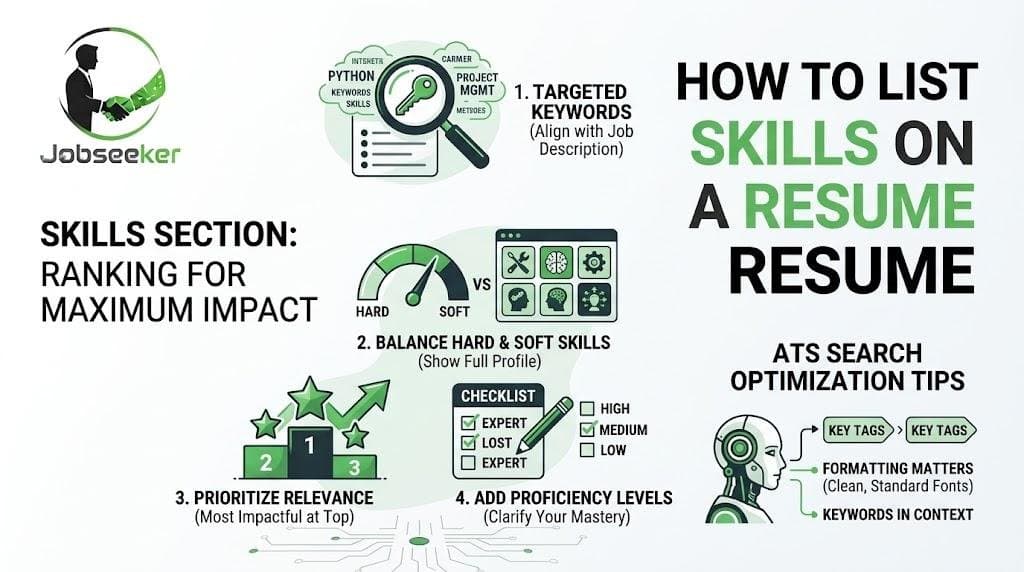
Keep the skills section short and specific: software you've used, languages you speak, tools, and certifications. Leave out phrases like "team player" here and show those qualities in your bullet points instead. For help grouping and wording this section, read our guide on how to list skills on a resume.
A Sample Resume for First Job Applications
Here's a condensed example for a college student with no paid work history applying for a part-time office role:
JORDAN RIVERA
Austin, TX | (512) 555-0147 | jordan.rivera@email.com
OBJECTIVE
Organized college sophomore studying business, seeking a part-time administrative assistant role. Experienced with scheduling, spreadsheets, and answering questions from the public.
EDUCATION
Associate of Arts in Business, Austin Community College | Expected May 2027
Relevant coursework: Business Communication, Introduction to Accounting
EXPERIENCE
Front Desk Volunteer, Eastside Community Center | September 2024 – Present
• Greet 40+ visitors per shift, answer phone calls, and direct people to the right programs
• Maintain sign-in records in Google Sheets and flag scheduling conflicts for staff
Treasurer, Student Business Club | January 2025 – Present
• Track a $2,500 annual budget and present monthly spending reports to members
SKILLS
Microsoft Excel, Google Workspace, bilingual (English and Spanish), typing 60 WPM
There isn't a single paid job on this resume, yet it clearly shows reliability, organization, and comfort with the exact tasks an office assistant handles.
Mistakes That Make a First Resume Look Weaker
- Stretching the truth. Calling yourself the "manager" of a two-person bake sale invites interview questions you can't answer well. Describe what you actually did.
- Sending one version everywhere. Small edits to your objective and bullet points for each posting make a noticeable difference.
- Including details US employers don't expect. A photo, date of birth, marital status, or Social Security number doesn't belong on a US resume.
- Leaving typos. Read the resume out loud, then ask someone else to read it too.
- Padding the page. A focused page with five strong bullets beats a stretched one full of vague filler.
Getting Your Resume in Front of Employers
Once your resume is ready, you'll probably start applying to listings one at a time. That's worth doing, but it isn't the only route. You can also put your resume where employers go looking for candidates.
On JobzseekerAI, job seekers upload a CV once as a PDF, DOCX, image, or plain text file. The platform's CV Categorizer pulls out your skills, education, and experience, writes a short summary, and places you in a role category. Companies then search for candidates who fit their needs and see your initials, skills, and experience before any contact details. You can read more about how the matching process works, and the platform is free for job seekers.
Because the software reads your resume directly, the advice in this guide applies here too: clear section headings and specific, honest skills make it easier for any parsing tool to understand your profile. For more ways to make yourself easier to find, see our article on getting recruiters to contact you. And when the first interview invitation arrives, these virtual interview tips will help you prepare for a video call.
Frequently Asked Questions
How long should a resume with no experience be?
+
One page. Recruiters spend limited time on each resume, and a tight page full of relevant details reads better than two pages of filler.
Should I use a resume objective or a summary?
+
Either works. An objective focuses on the role you want, which helps when your background doesn't make that obvious. A summary focuses on what you offer. Whichever you choose, keep it to two or three lines and tailor it to the job.
Can I include gig work or freelancing?
+
Yes. Food delivery, rideshare driving, freelance design, or tutoring all show independence and time management. Describe them with the same care you'd give a traditional job.
Should I keep high school on my resume once I'm in college?
+
Usually you can drop it after your first year or two of college, unless a high school achievement is directly relevant to the job, such as a major award or a certification you earned there.
What if I truly have nothing to list yet?
+
Start building something now. A few weeks of volunteering, a free online certificate in a tool like Excel, or a small personal project can give you real material for your resume within a month.
Your Next Step
Knowing how to write a resume with no experience comes down to one shift in thinking: you aren't listing jobs, you're showing evidence. School, volunteering, side gigs, and projects all prove you can show up, learn, and take responsibility. Pick one job posting today, write a resume aimed directly at it, and have someone you trust read it over. Once it's polished, create your free JobzseekerAI profile so companies looking for people like you have a way to find you.
Let the right work find you.
Upload your CV once. JobzseekerAI matches you with companies, and your contact details stay hidden until a company unlocks your profile.
Create your free profile